
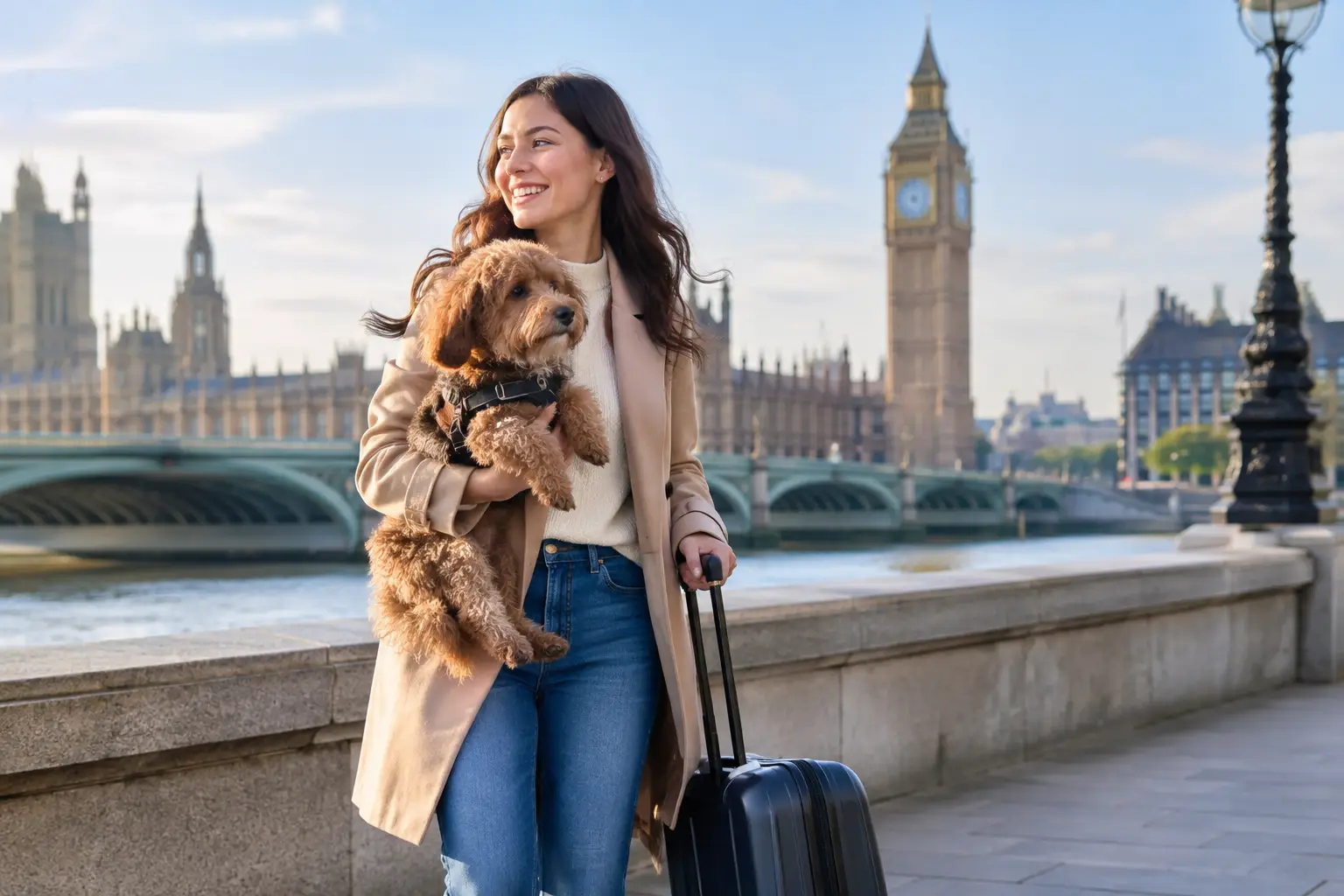
A move can be noisy, unfamiliar and full of open doors – three things that can unsettle even the most relaxed pet. This guide to moving with pets is designed for London households that want to keep their animal safe, calm and accounted for while the practical work of packing, loading and settling in gets done.
Pets do not understand why furniture is disappearing or why their usual routine has changed. A little planning protects them from escapes, stress-related behaviour and difficult journeys, while also making moving day easier for everyone else.
Start planning before the packing begins
As soon as your moving date is confirmed, consider your pet’s needs alongside your boxes and furniture. Check the rules at your new property, particularly if you are renting. Some tenancy agreements set conditions for pets, and a building may have rules around shared entrances, lifts or outdoor spaces.
Book any necessary veterinary appointments early. Make sure your pet’s microchip details and ID tag show your new address and current phone number. If you are moving abroad, travelling by air or taking a pet through a route with additional requirements, speak to your vet well in advance about vaccinations, treatment records and travel documents.
It is also worth researching the new local area before the move. Identify the nearest vet, a safe walking route, nearby green space and any hazards such as busy main roads. For cats, look at the garden, fences and likely escape routes. For dogs, check whether the journey from your front door to a suitable toilet area is practical, especially if you are moving into a flat.
Prepare a pet bag for the first 48 hours
Your pet’s essentials should travel with you rather than in the removal van. This avoids searching through labelled boxes after a long day and means you can respond quickly if plans change.
Pack enough food for at least two days, plus water, bowls, medication, leads, waste bags, treats and a familiar blanket or bed. Include a favourite toy, grooming items, litter and tray for cats, and cleaning supplies for accidents. Keep veterinary records and contact details in the same bag.
Do not change food, litter or bedding immediately before the move unless there is a medical reason. Familiar smells and routines are reassuring when everything else is different. If your animal has a sensitive stomach, keeping its normal food available can prevent an extra problem during an already busy week.
Create a quiet room on moving day
The safest option for many pets is to keep them away from the main activity. Choose one quiet room with a door that closes securely, ideally in the property you are leaving. Set up their bed, water, food, carrier or crate, and a clear sign on the door saying that the room must stay closed.
This reduces the risk of a pet slipping out while removals professionals carry furniture through the property. It also limits exposure to loud voices, moving trolleys, dismantled furniture and unfamiliar people. Cats in particular may hide when stressed, so check cupboards, behind appliances and under beds before the room is cleared.
For some dogs, staying with a trusted friend, family member or familiar sitter for the day is the better choice. This depends on the dog’s temperament and the length of the move. A sociable dog may be happier away from the disruption, while an anxious dog may prefer a quiet room with an owner nearby.
Never leave an animal unattended in a parked vehicle, even for a short time. Temperatures can change quickly, and loading schedules can run longer than expected.
Travel safely between homes
Pets should normally travel in your own car or with a person they know, not alongside household items in a removal vehicle. They need ventilation, secure restraint and regular checks. A properly fitted harness, travel crate or carrier is safer than allowing an animal to move freely around the car.
For longer journeys, plan stops for dogs to drink water and use the toilet. Keep them on a lead before opening the car door, even if they are usually reliable off lead. A new location, traffic noise or a sudden movement can make a calm dog bolt.
Cats are usually safest in a secure carrier lined with an absorbent pad. Covering part of the carrier with a light blanket can reduce visual stimulation, provided airflow remains clear. Avoid opening the carrier outdoors or in a car with doors open. If a cat escapes during a move, it may become disorientated quickly.
Small pets such as rabbits, guinea pigs and hamsters need stable, well-ventilated carriers kept away from direct sun and draughts. Fish require separate planning, as tanks must be emptied and moved carefully. Speak to a specialist if you have reptiles, birds or animals with specific temperature and habitat requirements.
Make the new home safe before letting them explore
Arrive before your pet if possible and prepare one room first. Place familiar bedding, water, food and toys there, then check the room for gaps, exposed wires, poisonous plants, cleaning products and open windows. This gives your pet a secure base while the rest of the home is still being organised.
For dogs, take a short lead walk around the immediate area once the main unloading is complete. Keep the first outing calm and predictable. There is no need to introduce every local park or dog straight away. A familiar routine matters more than an exciting first walk.
Cats need more time. Keep an indoor cat inside until it is settled, and keep an outdoor cat indoors for at least two to three weeks after a move. This helps it associate the new home with food, safety and rest before it encounters the outside territory. Start with one room, then gradually allow access to more of the property when the cat is eating, using the tray and behaving normally.
Keep routines steady after the move
The first few days may feel chaotic, but regular feeding times, walks and quiet attention will help your pet adjust. Try to unpack their usual bed, bowls and feeding area early. Avoid washing their bedding immediately, as familiar scent can be comforting.
Watch for changes that do not settle after a few days. Hiding, loss of appetite, accidents indoors, excessive barking, chewing or unusual aggression can all be signs of stress. Some adjustment is normal, particularly for cats, but prolonged changes should be discussed with a vet or qualified behaviourist.
If you have more than one pet, introduce the new layout carefully. Separate feeding stations and resting places can reduce tension, especially in a smaller flat. Give each animal a place where it can retreat without being disturbed by visitors, children or other pets.
Coordinate your removal team around your pet
Tell your removal company in advance that a pet will be in the property. It allows the team to work around a closed safe room, avoid repeatedly opening a particular door and plan the loading sequence sensibly. Clear communication is especially useful in London properties with shared corridors, stairs, lift bookings or limited parking time.
You do not need to pause the whole move for your pet, but you do need a plan that everyone understands. Confirm who is responsible for the animal, where its carrier will be kept and when it will leave the property. Keep leads, carriers and the pet bag away from packed boxes so they cannot be loaded by mistake.
A professional team can handle the heavy lifting, furniture protection, dismantling and loading while you focus on the parts that cannot be delegated – including your pet’s comfort and safety. The Kings Removals can work around practical requirements such as a pet-safe room and a clear loading plan, helping keep the day organised.
Moving with pets is rarely completely quiet, but it does not have to be overwhelming. Give them a secure space, keep their essentials close and let familiar routines lead the way as your new home starts to feel like theirs.