
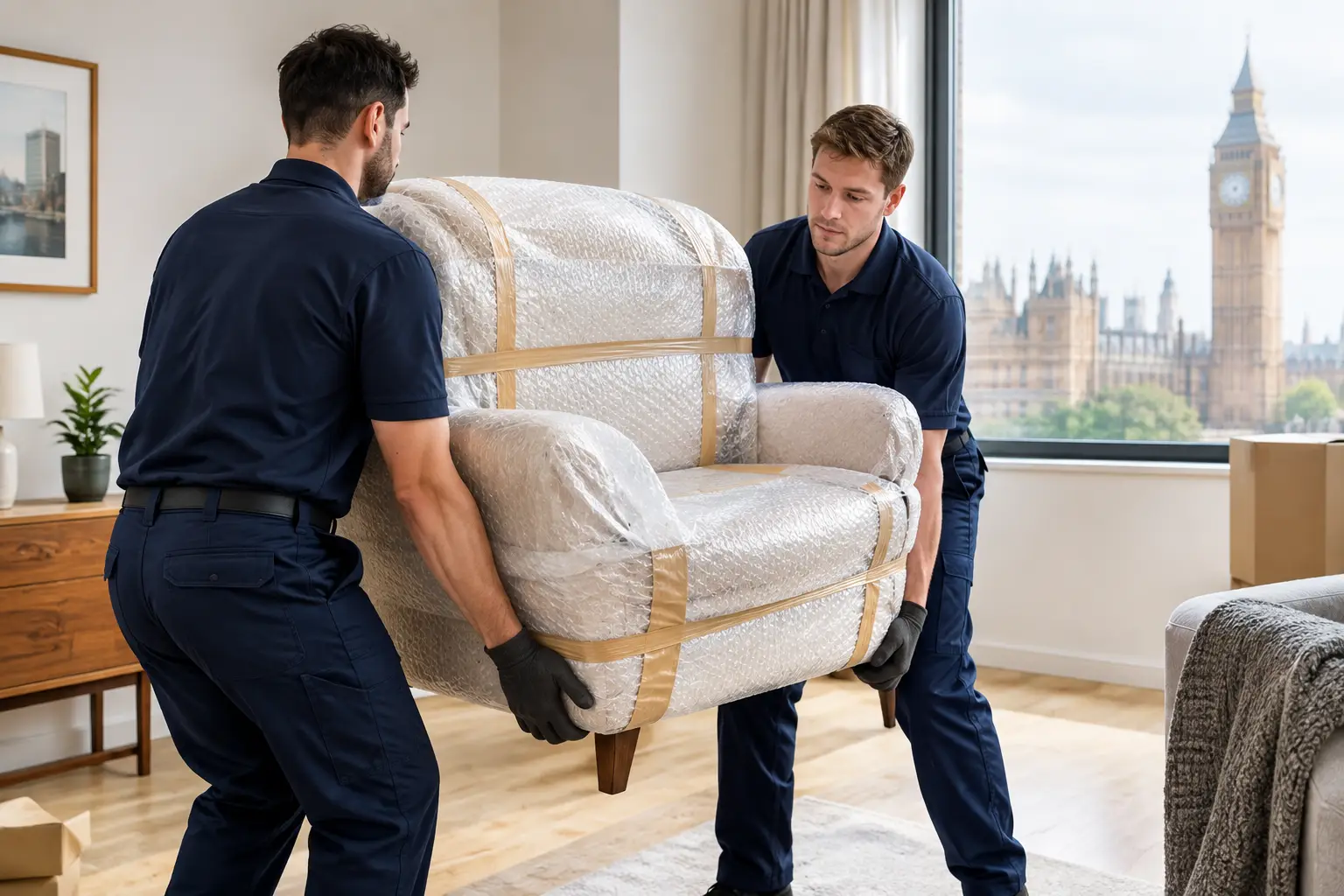
A scratched dining table or cracked glass cabinet can turn an otherwise successful move into an expensive problem. When you are moving pieces with delicate finishes, loose components or real sentimental value, careful movers for fragile furniture are not a luxury. They are the difference between furniture arriving ready to use and furniture arriving with damage that could have been avoided.
Fragile furniture needs more than extra strength. It needs the right preparation, enough people for the lift, suitable protective materials and a vehicle loaded in the correct order. Whether you are moving from a London flat, a family home or a small office, planning for vulnerable items before moving day makes the whole job quicker and safer.
Why furniture becomes fragile during a move
Furniture is often damaged at its weakest points rather than on its largest surfaces. Table legs twist when a heavy top is carried at the wrong angle. Drawer fronts can open in transit. Glass panels can flex, and veneer can chip when two items rub together in the van.
The layout of many London properties adds another challenge. Narrow hallways, staircases, lifts with limited space and restricted parking can mean a simple-looking item has to be carried, turned and protected several times before it reaches the vehicle. Rushing this stage is where most avoidable damage happens.
Older furniture needs particular care. Antique pieces may have weakened joints, original handles or finishes that do not respond well to tape or rough blankets. Modern furniture can be just as vulnerable, especially flat-pack wardrobes, high-gloss cabinets, marble-topped tables and display units with glass doors.
What careful movers for fragile furniture should do
A professional team should look at the item and the route before lifting. That means checking dimensions, identifying removable parts and deciding whether the item should travel whole or be dismantled. A large wardrobe may be easier to protect in sections, while a solid wood chest may be safer left intact if its structure is sound.
Protection should be specific to the piece, not a one-size-fits-all approach. Moving blankets help prevent scuffs and contact marks. Bubble wrap or padded protection can support delicate corners, glass and polished surfaces. Cardboard corner guards are useful for framed furniture and tables. Doors, drawers and shelves should be secured without leaving adhesive directly on sensitive finishes.
The loading process matters just as much. Heavy items should be positioned securely so they cannot shift under braking or around corners. Fragile pieces should not be used as a base for boxes, and mirrors or glass panels should travel upright with appropriate support. A Luton van with a tail lift can also reduce the risk of drops and awkward lifting when handling bulky furniture.
Decide what needs dismantling before moving day
Dismantling can make a move safer, but it is not always the right answer. Taking apart a large bed frame, dining table or modular wardrobe may allow it to pass through tight spaces with less risk. It can also make it easier to protect individual components.
However, some furniture is better kept together. Older items with delicate fixings, glued joints or previous repairs may not tolerate repeated dismantling. A good removals team will assess the practical trade-off rather than automatically taking everything apart.
If dismantling is required, keep fittings organised and labelled. Screws, brackets and bolts should travel with the relevant item, ideally in a sealed bag fixed securely to a protected section of the furniture. This saves time at delivery and avoids the familiar problem of a nearly assembled bed with one essential part missing.
Make access clear and realistic
Before booking, consider the path from each room to the van and from the van to the new property. Measure particularly large items, doorways, stair landings and lift interiors. Let your movers know about top-floor flats, no-lift buildings, long carries from parking bays, controlled parking zones and difficult access.
This information helps determine whether you need one, two or three movers and how much time should be allowed. It also helps the team bring the right equipment and avoids a last-minute change of plan outside the property.
Prepare fragile pieces without creating more work
You do not need to wrap every item yourself if you have booked packing support, but a little preparation can make collection smoother. Empty drawers where possible, especially if they contain loose, heavy or breakable items. Remove lamps, ornaments and detachable glass shelves. Take photographs of valuable pieces before the move, including existing marks, so everyone has a clear record of their condition.
Avoid wrapping polished wood directly in plastic for long periods, particularly if the furniture is going into storage. Changes in temperature and trapped moisture can affect some finishes. Protective blankets and suitable packing materials are usually a better option for the journey. If your furniture needs to enter self-storage, ask how it will be wrapped and whether it should be raised off the floor.
For items with glass, do not rely on a small strip of tape across the surface as the only protection. Glass should be supported, cushioned and kept away from pressure points. If a mirror, tabletop or cabinet door is already cracked, tell the movers in advance. It may still be movable, but it needs a different handling plan.
The right team can prevent delays as well as damage
A cheaper man and van option can work well for straightforward, light moves. But if you have fragile furniture, multiple flights of stairs or heavy items that need dismantling and reassembly, choosing solely on the hourly rate can prove costly. The important question is whether the team has enough people, proper protection and the experience to handle the job safely.
Ask what is included in the service. Confirm the size of the van, whether furniture wrapping is available, if dismantling and reassembly can be arranged, and how goods-in-transit insurance applies to your booking. Insurance is valuable protection, but it should sit alongside careful handling rather than be treated as a substitute for it.
Clear communication also prevents delays. Tell the removals team about any item that is unusually heavy, valuable, awkwardly shaped or fragile. Pianos, stone tables, large aquariums and oversized cabinets may need specialist planning. It is better to discuss limitations early than discover on moving day that an item cannot safely be taken down a narrow staircase.
A practical plan for moving day
On the day, keep fragile furniture separate from items that are being packed into general boxes. Point out the pieces requiring special attention when the team arrives, then allow them room to assess the route and start protecting each item properly.
If you are moving several rooms, load fragile and essential furniture with the delivery order in mind. The items needed first at the new property should be accessible without shifting half the van. This is particularly useful for beds, dining tables and storage units that need assembling before the rest of the boxes can be unpacked.
At delivery, check larger pieces as they come in, especially glass, mirrors, corners and polished surfaces. It is easier to resolve any concern while the team and packing materials are still there. Then place furniture in its intended room before reassembly, rather than moving it repeatedly across newly cleaned floors or through crowded hallways.
When professional packing is worth adding
Professional packing is particularly useful when time is limited, when a property contains several fragile items or when you are preparing for storage as well as transport. It removes the guesswork around materials and gives movers a consistent system for protecting items from room to vehicle.
For a smaller move, you may only need help with selected pieces: a glass-fronted cabinet, a dining set, artwork, an antique chest or a large mirror. This can be a sensible middle ground if you are packing everyday belongings yourself but want experienced handling for the items you would struggle to replace.
The Kings Removals can provide flexible teams, Luton vans with tail lifts, furniture dismantling and reassembly, and practical packing support for moves across London and beyond. The right level of help depends on your access, furniture and timeline, so an accurate description of the job leads to a more useful quote.
Your furniture does not need to be rare or antique to deserve proper care. Give the movers clear information, allow enough time for safe handling and choose a service equipped for the items you are trusting them to carry.