
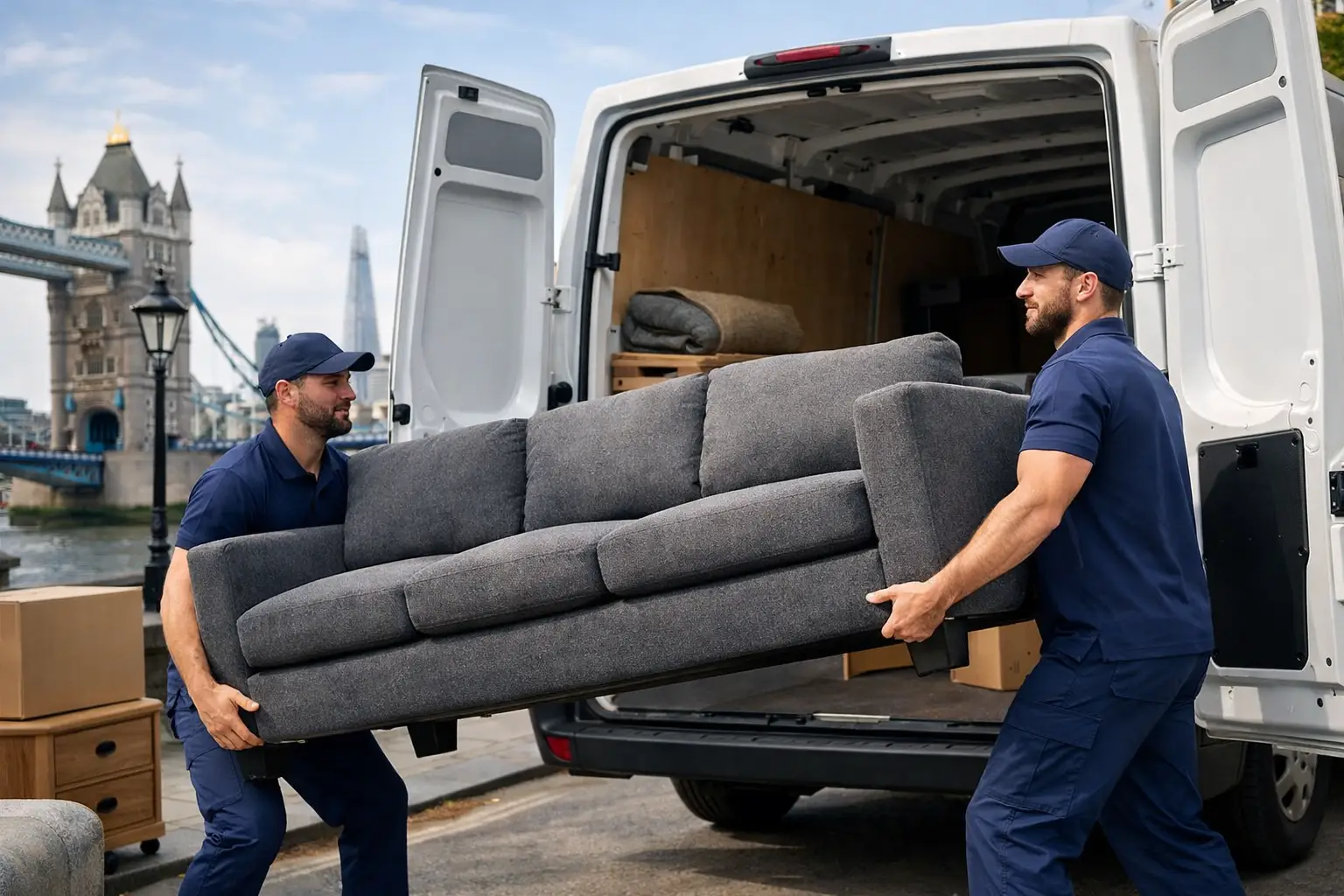
A sofa that will not clear the hallway, a solid oak wardrobe on the second floor, a marble dining table that cannot be dragged an inch – this is where a standard move becomes a heavy-lifting job. If you are looking for a man and van for heavy furniture, the main question is not just who can transport it. It is who can move it safely, without damaging the item, the walls, or someone’s back.
Heavy furniture brings a different set of risks to a move. Weight is only part of the issue. Size, shape, stair access, parking distance and whether the item needs dismantling all affect how long the job takes and how many people are needed. That is why a practical service matters more than a vague promise to help.
When a man and van for heavy furniture makes sense
Not every move needs a full removals team. If you are moving a few large items rather than an entire house, a man and van for heavy furniture is often the most efficient option. It suits single-item collections, part-load moves, furniture bought second-hand, student moves with one or two bulky pieces, and small flat relocations where the heaviest items create most of the workload.
For many customers in London, the challenge is access rather than distance. A short move across the borough can be harder than a longer one if there are narrow staircases, no lift, restricted parking or awkward turns in the building. In those cases, having the right van and enough trained movers matters more than how many miles are involved.
It can also be the right choice for small offices and shops. Filing cabinets, desks, stock units and reception furniture are often too bulky for a basic courier but do not justify a large commercial removal. A flexible service with one, two or three movers can fit the job more accurately.
What makes heavy furniture harder to move
Heavy furniture rarely behaves like neatly packed boxes. Weight is uneven, grip points are poor, and delicate surfaces can still mark easily. A chest of drawers might be manageable in theory, but once it has to be carried down a tight Victorian staircase, the situation changes quickly.
There is also a difference between furniture that is simply heavy and furniture that is both heavy and fragile. Glass-top tables, polished wood, stone surfaces and large mirrors need protection as well as lifting power. Rushing these items is where chips, scrapes and cracked panels happen.
That is why professional movers usually assess more than the item list. They look at access, loading distance, floor level, whether parts need to come off, and whether a tail lift is needed to load the van properly. These details help avoid the common problem of booking too little labour for a job that clearly needs more hands.
Choosing the right setup for the job
A reliable heavy furniture move is about matching resources to the job. One mover and a van may be enough for a small collection where help is available at both ends. For most bulky household items, though, two movers are the safer and more realistic choice. If you have several large pieces, difficult access or time limits, three movers can make the job faster and reduce handling risk.
The vehicle matters too. A Luton van with a tail lift is often the better option for larger furniture because it gives more loading space and reduces the need for awkward lifting into the vehicle. It is not just about fitting everything in. It is about loading items upright where possible, securing them correctly and reducing movement in transit.
Some jobs also need dismantling and reassembly. Bed frames, wardrobes, dining tables and office desks often move more safely in sections. That adds time, but in many cases it prevents damage and makes the whole move smoother.
How to avoid damage during a heavy furniture move
The easiest way to damage heavy furniture is to treat it like a gym exercise rather than a transport job. Safe moving depends on preparation. Drawers should be emptied where needed, doors secured, loose shelves removed, and surfaces protected before the item leaves the room.
Good movers use blankets, straps and proper loading techniques to keep furniture stable in the van. They also think ahead about route planning inside the property. A few extra minutes checking angles, clearing obstacles and protecting door frames can prevent expensive mistakes.
Insurance matters as well. Goods-in-transit cover gives customers an extra layer of reassurance, especially when valuable or bulky pieces are involved. It should not replace careful handling, but it does show the service is set up professionally rather than casually.
The real cost question
Customers often ask whether hiring a man and van for heavy furniture is worth it compared with trying to do it themselves. On paper, self-moving can look cheaper. In practice, the costs add up quickly if you need van hire, lifting equipment, fuel, parking time and extra help from friends. That is before you factor in the risk of injury or damage.
Professional moving is usually priced by the hour for this type of job, which keeps things straightforward. The final cost depends on labour, access, volume, travel distance and whether dismantling is required. The cheapest quote is not always the best value if it sends too few people, the wrong van or no protective equipment.
A more useful question is whether the service matches the job. If heavy furniture is the main challenge, paying for the right team at the start can save time, prevent delays and reduce the chance of paying twice after something goes wrong.
What to tell your mover before booking
Heavy furniture jobs run better when the quote is based on real information. A clear item list helps, but photos are even better. They show dimensions, materials and any awkward features that may not be obvious from a description.
It also helps to mention whether there are stairs, lifts, parking restrictions, long walks from the van, or access times set by the building. If an item was assembled in the room and may not come out in one piece, say so early. These details affect team size and timing.
A responsive removals company should ask these questions rather than leaving you to guess. That kind of communication usually tells you a lot about how the move itself will be handled.
Man and van for heavy furniture vs full removals
The choice depends on the scale of the move. If you are relocating a full family home with packing, storage and multiple rooms of furniture, a full removals service is often the better fit. It gives you a broader plan and a larger team.
If the main task is moving a few oversized or weighty items, a man and van service is often more practical. It gives you flexibility, quicker booking and a simpler price structure. For many London moves, that balance is exactly what people need – enough support to get the hard part done properly, without paying for a bigger service than the job requires.
Companies such as The Kings Removals often bridge that gap well by offering flexible team sizes, Luton vans with tail lift, furniture dismantling and careful transport under one booking. That makes a difference when your move is not huge, but still needs proper handling.
A smarter way to plan the day
If you have heavy furniture to move, timing matters. Try to have smaller items packed in advance so the movers can focus on access and lifting rather than waiting around while the property is still being prepared. Measure doorways, clear hallways and reserve parking if possible. These small steps help keep the move within time and budget.
It is also worth separating essential items from the furniture move itself. Keep keys, chargers, documents and everyday basics with you rather than packed into the van. That way, the furniture team can work efficiently and you are not searching through boxes later.
The best heavy furniture moves are rarely the ones that look heroic on the day. They are the ones that have been thought through properly beforehand, with the right van, the right number of movers and a clear idea of what the property allows.
If a piece is bulky, valuable or simply too risky to move alone, getting proper help is usually the sensible decision. A good service should make the job feel controlled from the start – not because heavy furniture is easy, but because it is being handled the right way.