
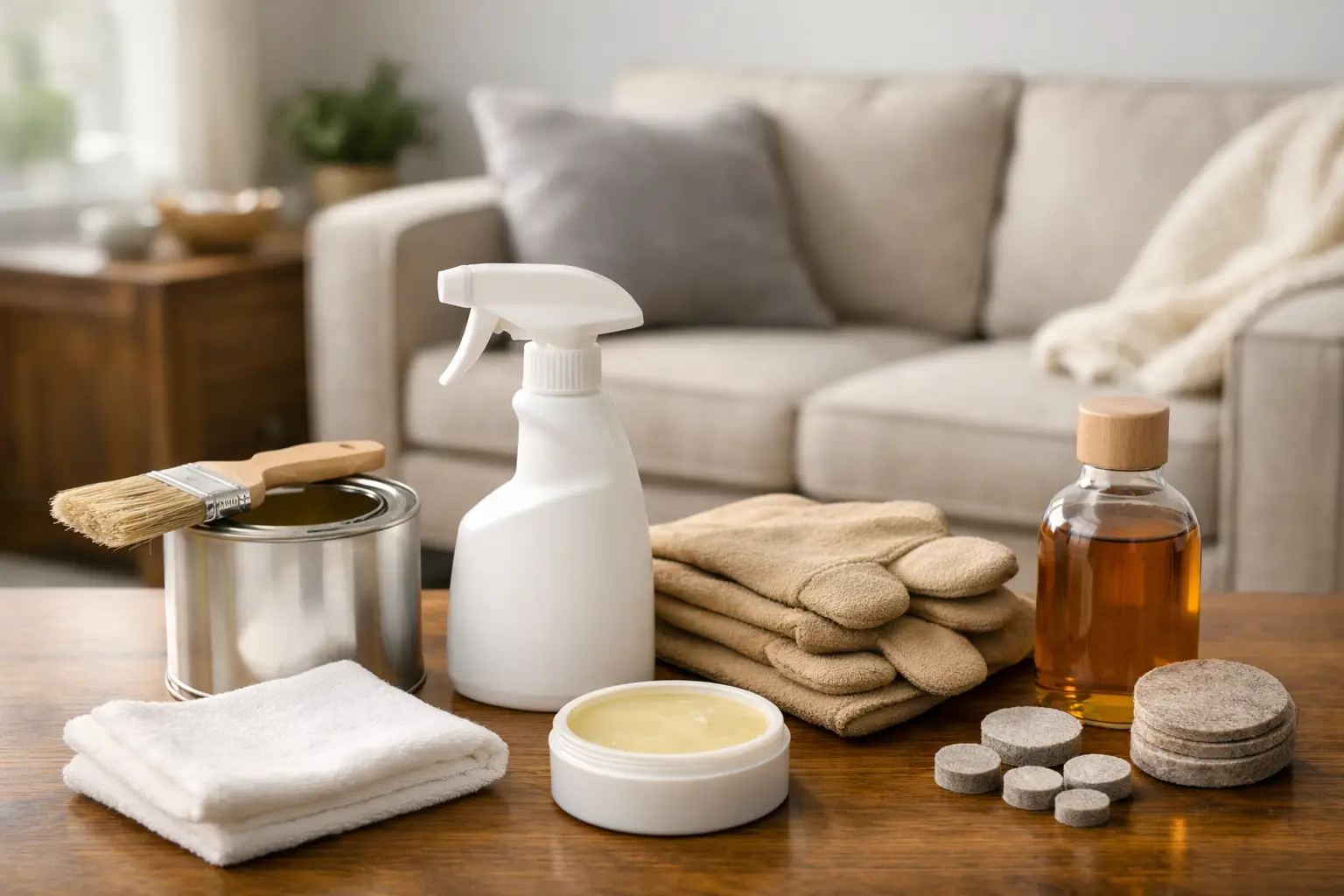
A sofa scraped on a narrow stairwell or a table top marked by one wet mug can turn a good piece of furniture into a constant annoyance. The best ways to protect furniture are usually simple, but timing matters. It is far easier to prevent scratches, dents and moisture damage than to repair them once they happen.
If you are setting up a home, preparing for a move or trying to keep rental property furniture in good condition, protection comes down to two things: the right materials and the right handling. Some damage happens slowly through sunlight, heat and daily use. Other damage happens in ten rushed minutes while lifting a wardrobe into a van. Both are avoidable if you plan properly.
Best ways to protect furniture at home
Day-to-day protection starts with how furniture is used and where it sits in the room. Heavy items dragged across flooring can loosen joints over time, and pieces placed too close to radiators often dry out, fade or warp. Wood, veneer, leather and upholstered furniture all react differently, so the best approach depends on the material.
For wooden surfaces, use coasters, placemats and protective pads as standard rather than waiting until marks appear. Heat rings, water stains and small scratches build up gradually and are much harder to remove from finished wood than most people expect. Felt pads under lamps, vases and decorative items also help stop light scuffing.
Upholstered furniture benefits from fabric protection, but only if the product suits the material. Some sprays work well on sofas and dining chairs, while delicate fabrics may need specialist treatment. If you have children, pets or frequent guests, washable throws can be a practical option. They are not the most elegant solution in every room, but they are far cheaper than replacing stained upholstery.
Leather needs a different routine. Keep it away from direct heat sources and strong sunlight where possible, and use a conditioner made for leather at sensible intervals. Too little care leaves it dry and prone to cracking. Too much product can leave a residue and attract more dirt.
Positioning matters more than most people think
Furniture placement is often overlooked. A bookcase pushed against a damp external wall can pick up moisture issues without anyone noticing for months. A dining table in direct afternoon sun may bleach unevenly. Even a bed frame positioned where it catches repeated knocks from a door can suffer chipped edges surprisingly quickly.
Leave a little space around larger items, especially in older properties where walls may hold more moisture. If a room gets strong sunlight, blinds or curtains can reduce fading. This is particularly useful for wood finishes, fabrics and leather in south-facing rooms.
Protecting furniture from scratches, dents and stains
Surface damage usually comes from repeated small habits. Keys dropped on a console table, shoes kicked under a sideboard, plant pots set directly on timber, or office chairs rolling against a desk can all leave marks that build up over time.
The practical fix is to create a buffer between the furniture and the source of wear. Felt pads under chair and table legs help prevent movement damage. Clear protective mats under office chairs reduce strain on both carpet and furniture legs. Trays under plants stop water seepage, and tablecloths or runners can protect dining and coffee tables in busy homes.
If you have children, corners and edges deserve extra attention. Rubber corner guards are not attractive in every setting, but for a short period they can save repeated impact damage. In rented flats or furnished homes, that can make a real difference when it comes to avoiding end-of-tenancy charges.
Stains need speed as well as the right method. Blot spills instead of rubbing them deeper into the fabric. For wood, wipe moisture off quickly and avoid soaking the surface with cleaning products. Harsh chemicals often do more harm than the original spill, especially on finished or polished pieces.
The best ways to protect furniture during a move
This is where a lot of serious damage happens. Furniture that survives years of normal use can still be ruined in one move if it is poorly wrapped, carried awkwardly or packed too tightly in transit. The best ways to protect furniture during a move are not complicated, but they do need proper preparation.
Start by dismantling what can be dismantled safely. Bed frames, dining tables, wardrobes and shelving units are easier to carry and less likely to twist or catch on door frames when taken apart. Keep fixings in labelled bags and tape them securely to the relevant item or place them in one marked box.
Use furniture blankets, moving pads and strong stretch wrap for larger items. Blankets protect against knocks and friction. Stretch wrap helps keep doors and drawers closed and secures padding in place. It should not be wrapped directly onto delicate polished surfaces for long periods, especially in warm conditions, because some finishes can react badly.
Glass parts need separate treatment. Remove shelves from cabinets, wrap each piece individually and never leave glass loose inside the unit. Mirrors should be padded edge to edge and transported upright where possible. Mattresses should go into proper mattress bags rather than being moved uncovered through hallways, pavements and vans.
Lifting and loading are part of protection
Good packing is only half the job. Poor lifting causes impact damage, broken joints and torn upholstery. Heavy furniture should be lifted, not dragged, and carried with enough people for the size and weight of the item. Tight corners, staircases and narrow landings are where most knocks happen.
Loading order matters too. Heavier, sturdier items should form the base, with protected furniture secured so it cannot shift during transport. Softer items such as mattresses can act as buffers, but only when placed intentionally. If everything is packed in a rush, movement inside the van often causes as much damage as the carrying itself.
For many households, this is the point where professional help pays for itself. A trained removals team will normally spot the risky items quickly, use the right protective materials and load the van in a way that reduces pressure, rubbing and movement. That matters even more for long-distance jobs or larger homes.
Storage, damp and long-term protection
Furniture kept in storage faces a different set of risks. Dust is the least of it. Moisture, poor ventilation and incorrect wrapping can cause mould, warping and stale odours, particularly in upholstered and wooden items.
If furniture is going into storage, make sure everything is clean and fully dry first. Wrapping a slightly damp chair or table and then leaving it for weeks is asking for trouble. Use breathable covers where possible rather than trapping moisture with unsuitable plastic for long periods. The exception is short-term transit wrapping, which is useful during the move itself.
Avoid stacking heavy boxes on sofas, mattresses or veneered surfaces. It saves space in the short term but often leaves permanent dents or pressure marks. If a unit is tightly packed, keep some airflow around more delicate items. Timber furniture especially benefits from stable conditions rather than sharp changes in temperature and humidity.
When repair costs outweigh prevention
People often delay buying proper covers, pads or packing materials because they seem like an extra expense. In practice, prevention is usually the cheaper option. Repairing chipped veneer, deep scratches, cracked glass or torn fabric quickly becomes more costly than protecting the item properly in the first place.
This is particularly relevant when moving out of a rented property, relocating an office or transporting furniture with sentimental value. The item may not even be expensive in resale terms, but replacing it can still be inconvenient, time-consuming and unnecessary.
When to do it yourself and when to call in help
Not every job needs a full removals crew. If you are moving a few simple items across a short distance, careful wrapping and sensible lifting may be enough. But once you are dealing with stairs, bulky furniture, fragile pieces or time pressure, the risk goes up fast.
A practical rule is this: if an item is awkward enough that you are already worried about walls, access or weight, it deserves more protection and probably more hands. Professional support is not only about speed. It is about reducing avoidable damage while keeping the job manageable.
For households and businesses moving in or around London, where parking, access and tight spaces add another layer of difficulty, proper furniture protection is not a luxury. It is part of getting the move done safely. That is why companies like The Kings Removals build protection into the job through careful handling, suitable equipment and a team sized to the move.
Furniture lasts longer when it is treated as something to preserve, not just something to get from one room to another. A few smart precautions now can save you money, hassle and a lot of frustration later.