
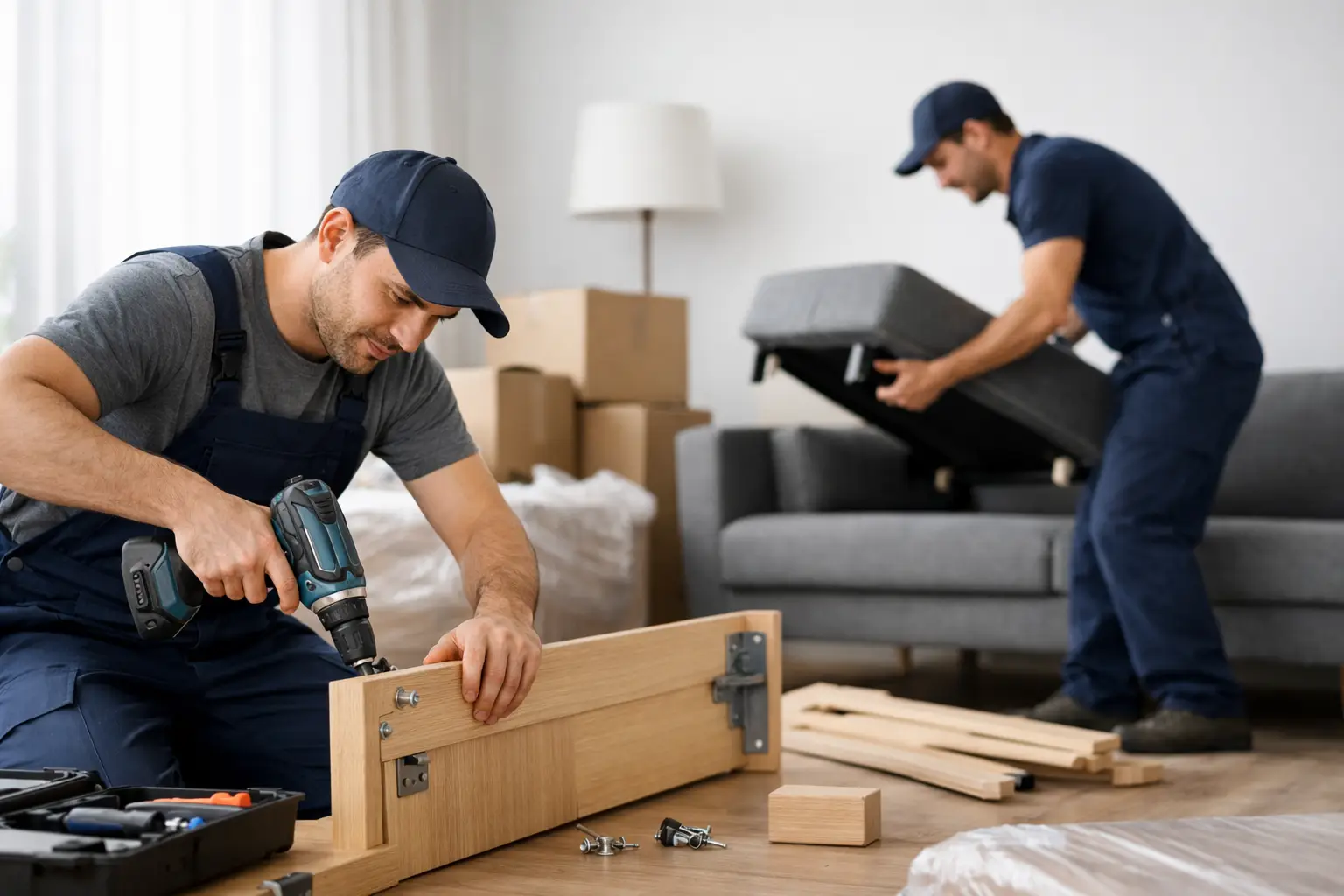
The wardrobe that went in easily five years ago suddenly will not clear the bedroom door. The bed frame that felt solid and sensible now looks like a puzzle of bolts, slats and side rails. This is exactly where a furniture dismantling service saves time, avoids damage and takes pressure off the moving day.
For many house moves and office relocations, large furniture is not difficult because of weight alone. The real problem is size, shape and access. Tight staircases, narrow hallways, awkward landings and small lifts can turn one bulky item into a delay for the whole job. Dismantling furniture properly before transport helps protect the item, the property and the people carrying it.
What a furniture dismantling service actually covers
A professional furniture dismantling service is more than unscrewing a few panels. It usually involves assessing which items need to come apart, using the right tools, removing fixings carefully, protecting loose parts and preparing everything for safe loading. On the other side of the move, the service may also include reassembly so the furniture is set up again in the right room.
This is commonly used for beds, wardrobes, dining tables, desks, shelving units, bookcases, cots, sofa frames and office furniture. Some items only need partial dismantling. Others need to come apart completely to move through the property safely.
That distinction matters. Over-handling furniture can create unnecessary risk, but trying to force a fully assembled piece through a narrow space is often worse. A practical removals team will decide what needs to be dismantled and what can stay intact to keep the move efficient.
Why dismantling furniture before a move often makes sense
The first reason is straightforward: access. In London especially, many properties were not built with oversized modern furniture in mind. Converted flats, terraced houses and upper-floor properties can create awkward routes from room to van. Dismantling gives the team better control and reduces the chance of scraping walls, damaging bannisters or catching door frames.
The second reason is protection. Large items are vulnerable when carried at difficult angles. Wardrobes can twist, bed frames can split at stress points and table legs can loosen under pressure. Taking furniture apart in a controlled way often protects it better than moving it whole.
The third reason is speed. It may sound slower to dismantle furniture first, but on many moves it saves time overall. A team that spends ten minutes dismantling a bed can avoid half an hour of awkward manoeuvring, repeated lifting and blocked access for the rest of the job.
There is also a safety point that should not be ignored. Heavy and bulky furniture causes strain when it is carried in one piece through tight spaces. Good dismantling reduces the load, improves grip and lowers the risk of accidents.
When you should book a furniture dismantling service
Some moves clearly need it. If you are moving out of a flat with tight stairs, relocating office desks, transporting fitted-style furniture, or dealing with large bedroom sets, it is usually the sensible option.
It is also worth booking if you do not have the tools, time or confidence to do it yourself. Many people start dismantling the night before a move and then realise they are missing Allen keys, labelled bags for screws or enough floor space to work safely. That last-minute rush often leads to lost fixings, chipped panels and extra stress before the van even arrives.
There are cases where it depends. A small dining table with removable legs may be simple enough to handle yourself. A basic metal bed frame may also be manageable if you are organised. But more complex flat-pack furniture, large wardrobes and office systems usually benefit from professional handling, especially if you want them reassembled properly at the new address.
What to expect on moving day
A well-run service should start with a clear plan. The team will identify which items need dismantling, what order makes sense and how each piece will be protected for transport. Fixtures and fittings should be kept together so reassembly is faster and less frustrating later.
This is where experience shows. Different furniture types behave differently once taken apart. Some panels need edge protection. Glass elements need separate wrapping. Slats, shelves and support bars need to stay paired with the right item. If parts are mixed together carelessly, unloading becomes slower and the risk of missing hardware increases.
A practical removals team will also think ahead about loading. Dismantling is not done in isolation. It is part of the wider move. Items should come apart in a way that makes stacking safer in the van, keeps weight balanced and protects fragile surfaces during transit.
If reassembly is included, the team should place the furniture in the correct room before rebuilding it. That sounds obvious, but it makes a real difference. Reassembling a wardrobe in the wrong room, or before other large items are in place, creates unnecessary extra handling.
The risks of doing it yourself
DIY dismantling can work for simple furniture, but it has trade-offs. The most common issue is damage caused by rushing. People often use the wrong tool, force stuck fixings, strip screws or pull apart joints that were never designed to be removed repeatedly.
Another problem is losing hardware. One small bag of bolts misplaced during a move can delay reassembly completely. Even when replacement parts are available, finding the exact size on the same day is not always realistic.
There is also the problem of weak reassembly. If furniture is not rebuilt correctly, it may stand unevenly, wobble or fail under weight later. That is particularly risky with beds, shelving units and desks used every day.
For business moves, DIY dismantling can be even more disruptive. Staff time spent taking apart desks and storage units is time not spent on normal work. A professional team usually gets it done faster and with less interruption.
How to choose the right furniture dismantling service
Start with the basics: ask whether dismantling and reassembly are both available, what types of furniture are covered and whether the team brings tools. It is also sensible to ask how items are protected once dismantled and whether goods-in-transit insurance applies during the move.
Then look at how the company communicates. A good provider should be clear about pricing, availability and what is included. If your move may change in scope, that should be discussed early. Flexibility matters, especially on London moves where access, parking and timelines can shift quickly.
It also helps to choose a removals company that handles dismantling as part of the wider job rather than treating it as an afterthought. The best results come when loading, protection, transport and reassembly are planned together. That is usually more efficient than hiring separate people for separate stages.
Cost versus value
Some customers hesitate because they see dismantling as an extra cost. Sometimes it is. But the better question is what it prevents. Damage to a wardrobe door, a cracked bed rail, scratched walls in a rental property or a delayed move often costs more than the service itself.
There is also value in time saved. If you are paying by the hour for removals, faster access and smoother loading can help keep the whole job under control. In many cases, proper dismantling pays for itself by making the move more efficient.
That said, not every item needs professional dismantling. If a piece is small, sturdy and easy to move, keeping it assembled may be the better option. A reliable removals team should tell you that rather than adding unnecessary work.
A smarter way to reduce moving stress
Moving day has enough pressure without wrestling a king-size bed frame on the landing or trying to remember which screw came from where. A furniture dismantling service reduces that friction. It helps the move run faster, protects your belongings and gives you one less job to manage when timings are already tight.
For households, that means less stress and less chance of damage. For offices, it means less downtime and a quicker return to normal. And for anyone moving in or around London, where access can be half the battle, it is often one of the most practical decisions you can make.
If you want the job handled properly from loading to reassembly, working with an experienced team such as The Kings Removals can make the whole move feel far more manageable. The best moving support is not about making big promises. It is about solving the real problems before they slow you down.